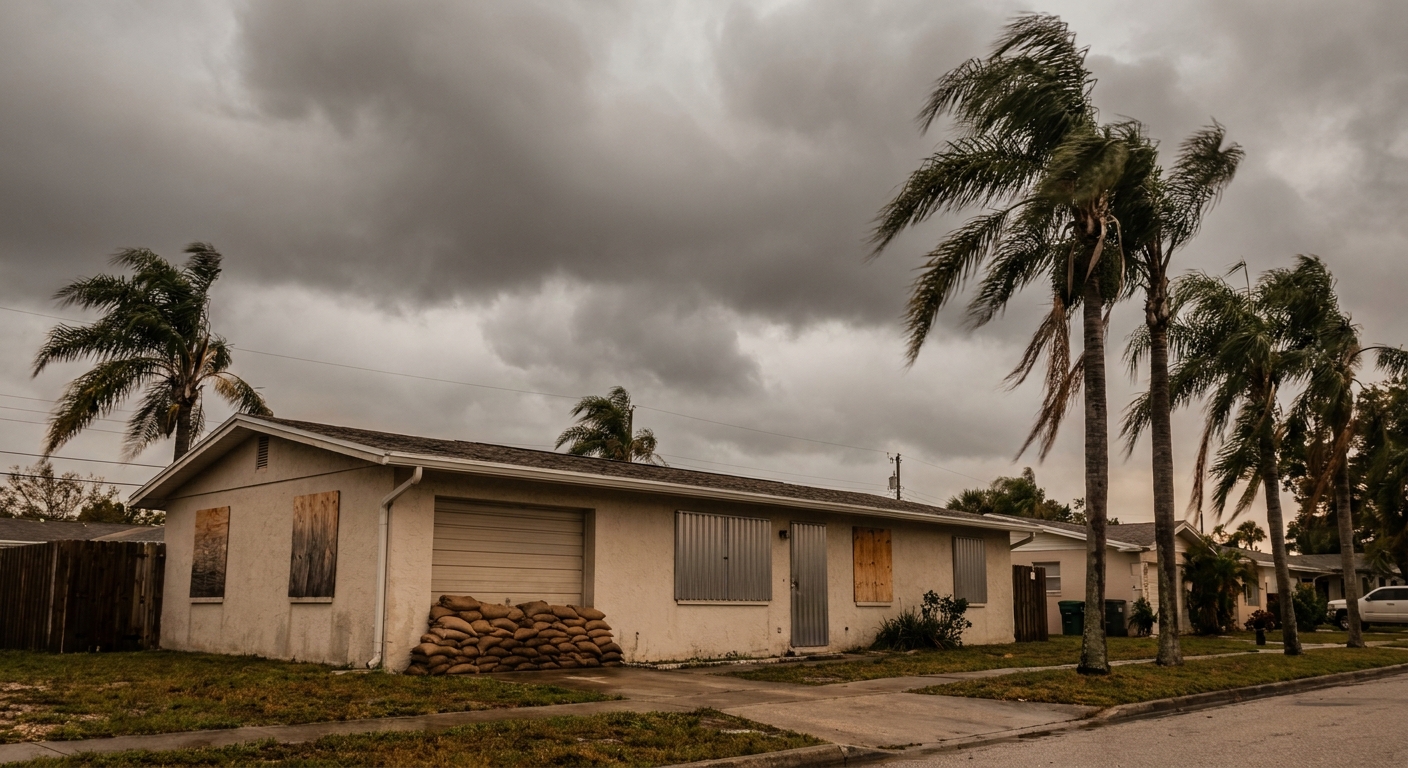
Hurricane season runs June through November here, and by July most Tampa Bay homeowners have already thought about shutters, generators, and flood insurance. Plumbing prep gets skipped more often than it should, and it’s one of the areas where a couple hours of preparation ahead of a storm can save you from a much bigger mess after one. Whether you’re in a flood-prone spot like Davis Islands or Apollo Beach or further inland in Brandon or Wesley Chapel, storm season plumbing prep matters.
Sewer backflow: the problem nobody thinks about until it happens
When heavy rain overwhelms the municipal storm and sewer systems, which happens regularly during tropical storms and hurricanes across Hillsborough and Pinellas counties, sewage can back up through your home’s drain lines instead of flowing out. This is especially common in low-lying areas and older neighborhoods with combined or aging sewer infrastructure, think parts of Ybor City, Sulphur Springs, and low-elevation South Shore communities like Ruskin and Gibsonton.
A backwater valve, sometimes called a backflow prevention valve, installs on your main sewer line and allows waste to flow out normally but closes automatically if water tries to flow back in. If you’ve had sewage backup during a past storm, or you live in a known flood zone, this is one of the highest-value plumbing investments you can make before hurricane season, typically running $600 to $1,500 installed depending on access to your line.
Sump pumps and backup power
If your home has a sump pump, and a lot of homes on Davis Islands and in low-lying South Shore communities do, test it now, before a storm’s in the forecast. Pour a bucket of water into the sump pit and confirm the pump kicks on and clears it. Then think hard about backup power. Hurricanes take out grid power regularly and often for days, and a sump pump that can’t run because the power’s out does you no good exactly when you need it most. A battery backup system or a generator hookup for your sump pump is worth the investment if you’re in a flood-prone area.
Water heater and generator coordination
If you’re running a whole-home generator, which is common across the South Shore, Apollo Beach, and Tierra Verde given how storm-vulnerable those areas are, make sure your water heater is wired into the circuits your generator actually covers. A lot of homeowners find out mid-storm that their generator covers the fridge and AC but not the water heater, which matters less for comfort but does matter if you’re trying to keep a family functional through an extended outage. This is worth confirming with your electrician and plumber together before storm season, not during it.
Shut off and know your valves before the storm, not during it
We say this in every emergency guide because it matters every time: know where your main water shutoff is before you need it in a hurry. If you’re evacuating, or if you know a storm surge or heavy flooding is likely to hit your area, shutting off your main water valve before you leave prevents a burst or damaged line from flooding your home from the inside while you’re gone, on top of whatever the storm itself does from outside.
Protect outdoor fixtures and exposed lines
Outdoor spigots, exposed pipe runs, and irrigation backflow preventers are vulnerable to wind-driven debris and flying objects during hurricane-force winds. Where practical, cap or protect exposed outdoor plumbing, and know that irrigation backflow devices, common across newer developments in Wesley Chapel, Trinity, and FishHawk, sometimes need to be manually drained or protected ahead of a freeze warning that occasionally follows a storm system’s cold air wake.
After the storm: what to check before you use anything
Once a storm passes and you’re back in your home, don’t assume everything’s fine just because the power’s back on. Check for:
Water heater damage if you had flooding, especially gas water heaters where pilot lights and gas lines can be affected by water intrusion.
Sewer backup evidence, like slow drains or gurgling, which can indicate your lateral line took on debris or silt during flooding.
Well contamination, if you’re on well water anywhere in Pasco or the rural Hillsborough fringe, flooding can introduce contaminants into a well system, and water should be tested before you trust it for drinking. Well homes also lose water entirely during an outage, since the pump runs on house power, and repeated dry starts after the grid comes back can kill the motor. Our guide to well pump repair in Tampa Bay covers what to check first.
Cross-connection risk if your area experienced a boil-water notice, which happens periodically after major storms when municipal water pressure drops and contamination risk rises. That pressure drop is the exact condition a backflow preventer exists to handle, and if you have an irrigation system, pool, or fire line, your utility has testing rules for that device.
Build a plumbing prep checklist into your storm kit
A few minutes before each named storm approaches: know your main shutoff location, test your sump pump if you have one, confirm generator circuits cover what you need, and check that outdoor drains near your home aren’t already clogged with debris from yard work, since a clogged storm drain right outside your house makes localized flooding worse fast.
We’re here before, during, and after
Tampa Plumbing Pro runs emergency service through every named storm that hits this region, and we’d rather help you prep in advance than get the panicked call during the eye of it. If you want a backflow valve installed, a sump pump checked, or just want someone to walk your house and flag storm vulnerabilities before hurricane season peaks, call us at (813) 590-0625. Better to handle it in July than during a tropical storm warning in September.
Flood insurance and plumbing damage don’t always overlap
Standard homeowners insurance often excludes flood damage, which is covered separately through NFIP or private flood policies. But damage caused by a backed-up sewer line, as opposed to rising floodwater, is sometimes covered differently depending on your policy. We’ve broken down sewer backup insurance in Tampa Bay, including why a Citizens HO-3 policy can’t add the endorsement at all. Read your policy language before storm season, not after a claim gets denied.
Don’t forget your water heater’s physical anchoring
If your water heater isn’t strapped or secured, high winds and flooding can shift or tip it, which risks a gas line rupture in gas units or a serious leak in any unit. This is a quick fix during a routine visit and it’s one of the most overlooked storm-prep items in older homes that have never had a water heater inspection since installation.