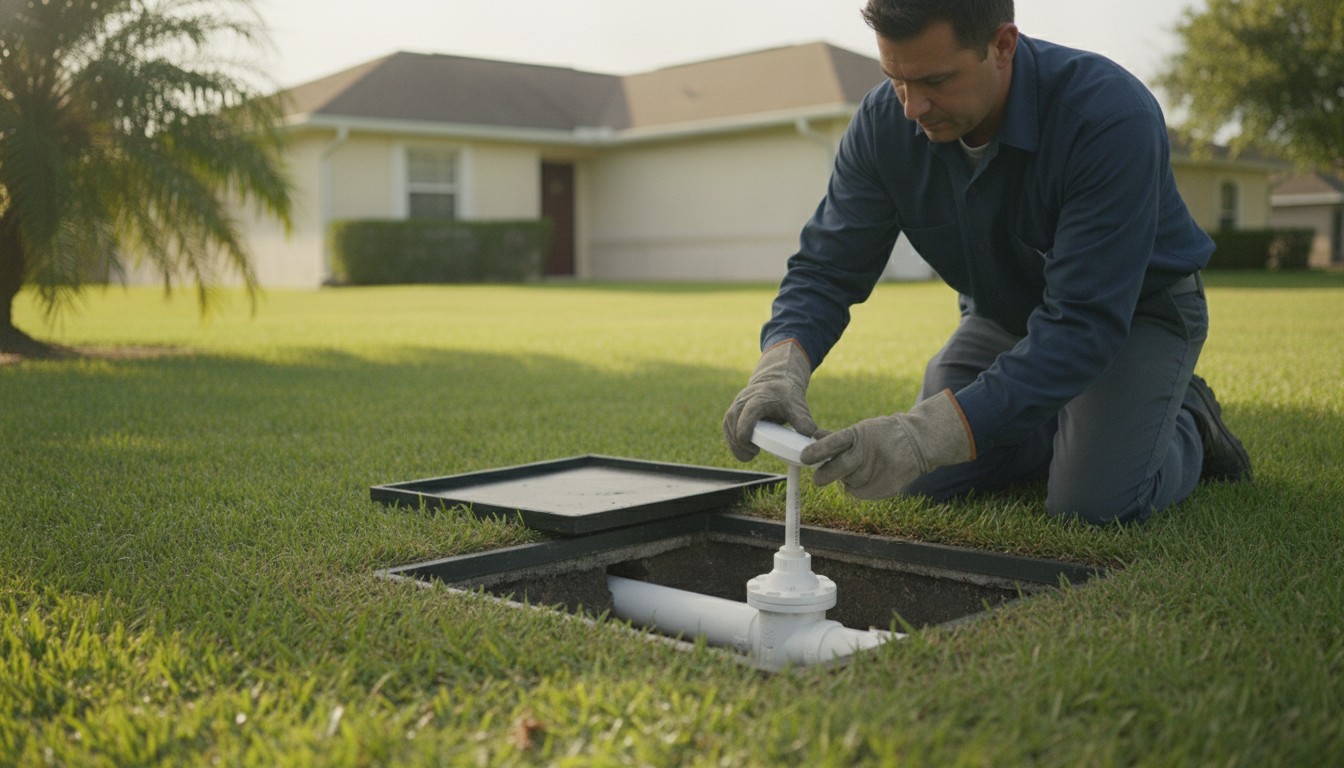
Standard homeowners insurance in Florida generally does not cover sewer backup. It’s on the exclusion list unless a water backup endorsement adds it back, and if you’re insured through Citizens Property Insurance Corporation, that endorsement isn’t for sale on an HO-3 policy at all. Flood insurance doesn’t fill the gap either, since NFIP only pays for backup when general flooding caused it. Where the endorsement is available it runs cheap; one Florida insurer publishes $5,000 of coverage for as little as $30 a year. Where it isn’t, the working answer is a backwater valve on your sewer line, typically $600 to $1,500 installed, a physical fix for a gap your current policy can’t close.
Does homeowners insurance cover sewer backup in Florida?
Not by default. A standard homeowners policy generally excludes water that backs up through sewers or drains unless you’ve specifically bought a water backup endorsement to add it back in. That’s true across most standard HO-3 forms, and it’s the same exclusion covered in what your homeowners policy actually covers on plumbing. The distinction matters because a lot of homeowners assume “water damage” is one bucket on their policy. It isn’t. A pipe that bursts inside your wall is usually a covered peril. Water that comes up through a drain or toilet because the sewer line backed up is treated as a separate risk, and insurers price it, or decline to price it, on its own. Florida policies slice other plumbing perils just as finely, which is why slab leak coverage gets its own treatment too.
Why doesn’t Citizens sell this coverage?
Citizens’ own HO-3 Coverage Worksheet lists “Water Backup of Sewers and Drains or Sump Overflow” as not covered, and its own worksheet answers “no” when asked if that coverage can be added, changed, or excluded, or the limit increased. In plain terms, if you’re on a Citizens HO-3 policy, you can’t buy your way into sewer backup coverage from Citizens. It isn’t offered as an add-on, a rider, or an upgrade. This is where Florida diverges from the generic advice you’ll find in national insurance articles. The standard advice there treats the water backup endorsement as a simple, always-available fix: call your insurer, ask for the rider, done. That advice assumes a carrier that sells one. Citizens is the state-created insurer Florida homeowners land on when private carriers won’t write their home. For Citizens HO-3 policyholders, the endorsement conversation ends before it starts, and the worksheet is the place to check, not a guess from an agent’s memory. The insurance-side route that does exist is at the carrier level: some private insurers sell the endorsement or build a small amount of this coverage in, so if it matters to you, ask about it whenever you compare carriers or weigh an offer to move your policy out of Citizens.
Does flood insurance cover sewer backup instead?
Only in a narrow case, and a narrower one than it sounds. FEMA’s National Flood Insurance Program guidance is specific: NFIP policies can cover sewer backup damage only when general flood conditions are present in the area and the flooding is the proximate cause of the backup. A clogged lateral, tree roots in the line, or a sewer main that surcharges from heavy rain without a broader flood event isn’t what NFIP is built to pay for. So the two policies a Tampa Bay homeowner might carry, a standard HO-3 and an NFIP flood policy, each cover a different and narrower slice of “sewage came up through my drain” than most people assume, and there’s a real gap sitting between them. That gap is exactly what a water backup endorsement is designed to close, and it’s exactly what Citizens doesn’t sell.
What does a water backup endorsement cost, and what does it cover?
Where insurers do offer it, the endorsement is inexpensive relative to the exposure. Kin, a home insurer writing Florida policies, publishes that some homeowners can get $5,000 in coverage for as little as $30 a year, with typical limits running $5,000 to $10,000 or more. Kin’s page describes the endorsement as covering clogged sewer lines, drain backups, sump pump failures, and septic system backups, which is a broader scope than the rider’s small price suggests. The catch in Tampa Bay isn’t price. It’s availability. If your carrier sells it, it’s worth adding. If you’re on Citizens, that option isn’t on the table, and the conversation needs to move to prevention instead of coverage.
What’s the difference between a backwater valve and a backflow preventer?
They sound alike and they protect against opposite problems. A sewer backwater valve sits on your main sewer line and closes automatically if wastewater tries to flow back toward your house, stopping a sewage backup before it reaches your drains. A backflow preventer sits on your drinking water line and stops contaminated water from being pulled back into the clean supply. One keeps sewage out of your home. The other keeps your tap water safe. When an insurance worksheet or an agent asks about “water backup coverage,” they mean the sewer side, not the potable side. If you want the drinking-water side explained on its own, that’s covered separately in backflow testing in Tampa Bay. For the rest of this post, “valve” means the sewer backwater valve.
What does a backwater valve cost, and does every house need one?
A backwater valve installs on your main sewer line, lets waste flow out normally, and closes automatically if water tries to flow back in, typically running $600 to $1,500 installed depending on how easy your line is to access. Not every home needs one, and not every home is even supposed to have one on every fixture. The Florida Building Code’s plumbing volume requires a backwater valve only where fixtures sit on a floor below the elevation of the next upstream manhole cover in the public sewer. Fixtures above that elevation aren’t supposed to discharge through a valve at all in new construction, and the code carves out an exception that lets existing homes keep or add one anyway. So a home that sits above its upstream manhole was never required to have a valve, and putting a whole-house valve on one isn’t automatically the right call. Where your fixtures sit relative to that manhole elevation decides the question. So does whether a valve should protect the whole house or just the lowest fixtures. That’s exactly the call a licensed plumber makes after looking at your specific line, not a rule you can apply from an article.
Why does this matter more in Tampa Bay than the national advice suggests?
National sewer backup articles are written for a market where the endorsement is a phone call away. Tampa Bay isn’t that market for anyone holding a Citizens HO-3 policy, and flood insurance doesn’t reach the ordinary case. That leaves prevention doing work that, in a different state, insurance would do instead. A backwater valve is one piece of that. Keeping the lateral line itself clear is the other, since a line full of roots or grease is a common reason water has nowhere to go but back up your drains. That’s also why storm season raises the stakes here specifically. Heavy rain events push more volume through the public system at once, which is covered in more detail in hurricane season plumbing prep for Tampa Bay. The flood-prone pockets of the metro carry the most exposure, so the valve conversation makes the most sense in low-lying spots like Davis Islands and waterfront communities like Apollo Beach. The pros we send install and test backwater valves across the metro. A slow, chronically clogged sewer line raises the odds of a backup on its own, independent of weather, which is one more reason regular drain cleaning belongs in the same conversation as the valve rather than as a separate line item.
How do you check your policy for sewer backup insurance?
Read your policy’s exclusions section and look for the phrase “water backup” or “sewer and drain backup,” then call your agent and ask directly whether that endorsement is offered on your policy form. Don’t rely on a general article, including this one, to tell you what your specific carrier does. Coverage varies by insurer and by policy form, and the worksheet or declarations page in front of you is the only document that answers it for your house. If the endorsement isn’t offered, or the limit it offers feels too low for your risk, that’s the signal to shift budget toward the physical fix instead: a sewer line inspection or repair to rule out root intrusion or a failing lateral, and a conversation about whether a backwater valve makes sense for your fixtures.
Frequently asked questions
Does homeowners insurance cover sewer backup in Florida?
Generally no. Standard homeowners policies usually exclude water that backs up through sewers or drains unless a water backup endorsement adds it back, though a few carriers build a small amount in. Whether the endorsement is even available depends on your carrier, and Citizens, Florida’s state-created insurer, doesn’t offer it on its HO-3 coverage worksheet.
Can I add sewer backup coverage to a Citizens policy?
No. Citizens’ own HO-3 Coverage Worksheet lists water backup of sewers and drains as not covered, and states directly that this coverage cannot be added, changed, or excluded, or its limit increased. On a Citizens HO-3 policy the protection comes from prevention, or from asking about the endorsement if you ever compare private carriers or weigh an offer to leave Citizens.
Will my flood insurance pay for a sewer backup?
Only if general flood conditions caused it. FEMA’s NFIP guidance covers sewer backup damage solely when the backup was caused by flooding in the area, not from an isolated clog or a surcharged line during ordinary heavy rain. A backup with no general flooding around it doesn’t meet that bar, so don’t assume flood insurance will cover it.
How much does a water backup endorsement cost if my insurer offers it?
Kin, a home insurer writing Florida policies, publishes that some homeowners can get $5,000 in coverage for as little as $30 a year, with common limits between $5,000 and $10,000 or more. Cost and availability both vary by carrier, so ask your agent for your specific policy’s number rather than assuming this figure applies to every insurer.
Is a backwater valve the same thing as a backflow preventer?
No. A backwater valve sits on the sewer line and stops wastewater from flowing back into your house. A backflow preventer sits on the drinking water line and stops contaminated water from being pulled into the clean supply. Insurance paperwork that mentions “water backup” is talking about the sewer side.
Do I need a whole-house backwater valve?
Not necessarily. The Florida Building Code requires a backwater valve only where fixtures sit below the elevation of the next upstream manhole cover, and in new construction it doesn’t want higher fixtures discharging through one at all. A licensed plumber can look at your line and tell you whether a whole-house valve or a more targeted fix fits your fixtures.
Get your line checked before the next storm season
Hurricane seasons come back every year, and homeowners policies renew every year too, which makes this a good annual pairing: when your policy renews, check what it actually excludes, and when storm season approaches, have your sewer line looked at. If a backup does happen and it traces back to a septic system rather than the public sewer, that’s separate work handled by the licensed and registered septic pros we send, not a plumbing repair. For the sewer line itself, we connect Tampa Bay homeowners with licensed plumbers who assess whether a backwater valve makes sense for your home and who handle the emergency plumbing calls when a backup happens anyway. Call Tampa Plumbing Pro at (813) 590-0625.